
Description
Premium 5-Amino-1MQ for Sale | ≥98% Purity | 60 Capsules | 48-Hour Delivery Across EU & UK
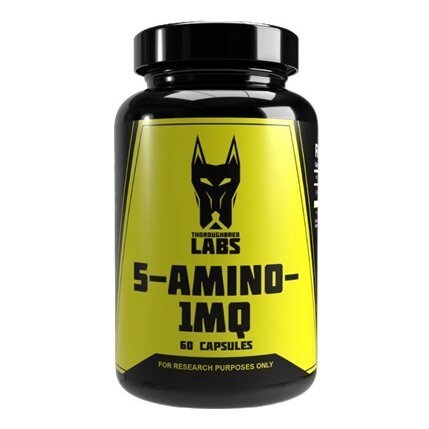
Thoroughbred Labs 5-Amino-1MQ: The Leading NNMT Inhibitor for Metabolic Research
https://eupeptidelap.co.uk/ is proud to present Thoroughbred Labs 5-Amino-1MQ, a premium research-grade small molecule compound formulated for advanced metabolic and mitochondrial investigations. As a trusted peptide vendor uk and leading EU peptide supplier, we provide researchers across Europe with Thoroughbred Labs 5-Amino-1MQ for sale that delivers exceptional purity, consistency, and documented quality .
5-Amino-1MQ (5-amino-1-methylquinolinium) is a potent and selective small molecule inhibitor of nicotinamide N-methyltransferase (NNMT), an enzyme that has emerged as a critical therapeutic target in metabolic disease research . NNMT catalyzes the N-methylation of nicotinamide (a form of vitamin B3) to form 1-methylnicotinamide (1-MNA), utilizing S-adenosylmethionine (SAM) as the methyl donor . This enzymatic reaction is a key regulatory point in the NAD+ salvage pathway, and its dysregulation has been strongly implicated in obesity, insulin resistance, and metabolic dysfunction .
The compound’s mechanism of action has been extensively characterized in preclinical studies. With an IC50 of 1.2 ± 0.1 μM, 5-Amino-1MQ demonstrates high potency as an NNMT inhibitor, significantly outperforming other NNMT inhibitors in its class . By selectively inhibiting NNMT, 5-Amino-1MQ increases intracellular NAD+ levels, activates the NAD+-dependent deacetylase SIRT1, and promotes a metabolic shift from energy storage toward energy expenditure . These effects have been validated in both in vitro and in vivo models, including diet-induced obese mice where treatment led to significant reductions in body weight, fat mass, and adipocyte size .
Our collaboration with Thoroughbred Labs ensures that every batch of 5-Amino-1MQ Capsules meets rigorous quality control specifications, making eupeptidelap.co.uk the preferred destination for researchers seeking to buy peptide online UK and across the European Union .
For researchers seeking to buy peptide online EU for investigations into metabolic disorders, obesity, diabetes, or mitochondrial function, eupeptidelap.co.uk offers Thoroughbred Labs 5-Amino-1MQ with comprehensive documentation, including Certificates of Analysis and batch-specific purity data. Whether your laboratory is based in London, Berlin, Paris, or anywhere in the European Union, our guaranteed 48 hour delivery peptide service ensures your research continues without interruption.
The Scientific Foundation of 5-Amino-1MQ
Mechanism of Action: Selective NNMT Inhibition
5-Amino-1MQ exerts its effects through highly selective inhibition of nicotinamide N-methyltransferase (NNMT), a cytosolic enzyme that catalyzes the methylation of nicotinamide using S-adenosylmethionine (SAM) as the methyl donor . This enzymatic reaction produces 1-methylnicotinamide (1-MNA) and S-adenosylhomocysteine (SAH), and plays a crucial role in regulating intracellular pools of nicotinamide and SAM .
NNMT Inhibition Potency: 5-Amino-1MQ demonstrates exceptional potency as an NNMT inhibitor, with an IC50 of 1.2 ± 0.1 μM . This makes it one of the most potent NNMT inhibitors available for research applications. The compound acts as a competitive inhibitor, binding to the enzyme’s active site and preventing the methylation of nicotinamide . This inhibition is highly selective, with minimal off-target effects on other methyltransferases or enzymes within the NAD+ salvage pathway .
Intracellular Effects: In differentiated adipocytes treated with 5-Amino-1MQ at concentrations ranging from 0.3–60 μM for 24 hours, researchers observed significant metabolic changes . The inhibition of NNMT leads to:
-
Increased NAD+ Levels: By blocking NNMT, 5-Amino-1MQ increases the bioavailability of nicotinamide for NAD+ synthesis, leading to a 1.2-1.6-fold increase in intracellular NAD+ concentrations at 1-60 μM .
-
Reduced 1-MNA Production: Treatment with 5-Amino-1MQ significantly reduces intracellular 1-MNA levels at concentrations as low as 30 μM .
-
SAM/SAH Ratio Modulation: NNMT inhibition affects the methionine cycle metabolites, including SAM and SAH, which regulate cellular epigenetic modifications and polyamine flux .
SIRT1 Activation Pathway: The elevation of intracellular NAD+ directly activates sirtuin 1 (SIRT1), a member of the sirtuin family of NAD+-dependent protein deacetylases . SIRT1 is a master regulator of cellular metabolism and is often referred to as a “longevity gene.” Its activation by the increased NAD+/NADH ratio triggers a range of beneficial metabolic effects:
-
Enhanced Fatty Acid Oxidation: SIRT1 activation increases mitochondrial fatty acid oxidation, promoting the breakdown of stored fats for energy .
-
Suppressed Lipogenesis: 5-Amino-1MQ suppresses the formation of new fat cells (lipogenesis) in adipocytes .
-
Improved Insulin Sensitivity: By modulating metabolic pathways, 5-Amino-1MQ improves the body’s response to insulin .
-
Enhanced Mitochondrial Biogenesis: SIRT1 stimulates the production of new mitochondria, further boosting cellular energy capacity .
Key Research Applications
Obesity and Metabolic Syndrome Research: 5-Amino-1MQ is extensively used in studies of obesity-related metabolic disorders. In diet-induced obese (DIO) mice, treatment with 5-Amino-1MQ at 20 mg/kg (subcutaneous, three times daily) for 11 days produced remarkable metabolic improvements :
-
Progressive body weight loss compared to control groups
-
Significant reduction in white adipose tissue mass
-
Decreased adipocyte size
-
Lowered cholesterol levels
These findings position 5-Amino-1MQ as an invaluable tool for researchers investigating the molecular mechanisms underlying obesity, adipose tissue biology, and metabolic dysregulation .
Diabetes and Insulin Sensitivity Research: NNMT overexpression has been strongly associated with insulin resistance and type 2 diabetes . By inhibiting NNMT, 5-Amino-1MQ improves metabolic parameters and enhances insulin sensitivity . The compound’s effects on NAD+ metabolism and SIRT1 activation make it particularly relevant for studies on glucose homeostasis, pancreatic function, and diabetic complications.
Mitochondrial Function and Bioenergetics: The NAD+ salvage pathway is fundamental to cellular energy metabolism . 5-Amino-1MQ’s ability to elevate intracellular NAD+ levels provides researchers with a powerful tool for investigating mitochondrial function, oxidative phosphorylation, and cellular energetics . The compound’s effects on mitochondrial biogenesis and fatty acid oxidation have implications for research into metabolic flexibility and energy homeostasis.
Cancer Metabolism Research: Recent studies have demonstrated that NNMT overexpression has been reported in many neoplasms, favoring traits featuring an aggressive tumor cell phenotype . In osteosarcoma (OS) and Merkel cell carcinoma (MCC) cell lines, NNMT upregulation led to a significant increase in cell proliferation and migration ability, together with a reduction in sensitivity to chemotherapeutic treatment . Treatment with NNMT inhibitors, including 5-amino-1-methyl quinolinium (5-AMQ), resulted in significant reductions in cell viability, increased reactive oxygen species (ROS) production, and activation of apoptotic pathways . Given the association of NNMT with cancer aggressiveness, inhibiting its catalytic activity might present a novel strategy for counteracting cancer growth and chemoresistance .
Endothelial Function and Oxidative Stress: NNMT plays a protective role in endothelial cells against oxidant stress-induced injury . Studies have shown that all studied endothelial lines express relatively high levels of functionally active NNMT compared with cancer cells . The suppression of NNMT activity either by NNMT inhibitors (including 5-amino-1-methylquinoline) or shRNA-based silencing significantly decreased endothelial cell viability in response to menadione-induced oxidative stress . Furthermore, NNMT inhibition resulted in nuclear SIRT1 expression downregulation and upregulation of the phosphorylated form of SIRT1 on Ser47, suggesting that the endothelial nuclear NNMT/SIRT1 pathway exerts a cytoprotective role that safeguards endothelial cell viability under oxidant stress insult .
Cardiovascular Research: 1-MNA, the product of NNMT activity, has been shown to reduce inflammation, oxidative stress, and vascular injury . NNMT inhibitors like 5-Amino-1MQ are relevant for research into obesity-related cardiac injury, atherosclerosis, cardiac fibrosis, and hepatic ischemia–reperfusion injury .
Epigenetic Research: NNMT regulates intracellular SAM concentrations, which in turn influence cellular epigenetic modifications . By modulating the methionine cycle, 5-Amino-1MQ affects methylation capacity and epigenetic regulation, making it valuable for research into gene expression, chromatin remodeling, and the epigenetic basis of metabolic disease.
Thoroughbred Labs Quality Assurance: Setting the Standard for Research Compounds
Manufacturing Excellence
Thoroughbred Labs has established itself as a premier manufacturer of research compounds through rigorous quality control protocols and commitment to analytical transparency. Every batch of Thoroughbred Labs 5-Amino-1MQ Capsules undergoes comprehensive testing:
-
Purity Analysis: ≥98% purity confirmed by high-performance liquid chromatography (HPLC)
-
Mass Spectrometry Verification: LC-MS/MS validation for identity confirmation
-
Batch-Specific Certificates of Analysis: Complete documentation for each production run
-
Heavy Metal Testing: Ensures absence of contaminants
-
Microbiological Testing: Confirms absence of microbial contamination
Chemical and Product Specifications
| Specification | Detail |
|---|---|
| Product Name | Thoroughbred Labs 5-Amino-1MQ |
| Compound | 5-amino-1-methylquinolinium (5-AMQ) |
| CAS Number | Not specified in search results |
| Molecular Formula | C₁₀H₁₁N₂⁺ |
| Molecular Weight | 159.21 g/mol |
| IUPAC Name | 1-methylquinolin-1-ium-5-amine |
| Purity | ≥98% (HPLC validated) |
| IC50 (NNMT) | 1.2 ± 0.1 μM |
| Formulation | Oral capsules |
| Dosage | 50 mcg per capsule |
| Capsules per Container | 60 capsules |
| Serving Size | As directed by research protocols |
| InChI Key | ZMJBCEIHNOWCMC-UHFFFAOYSA-O |
| Canonical SMILES | C[N+]1=CC=CC2=C(C=CC=C21)N |
| Storage | Store in a cool, dry place away from direct sunlight |
| Shelf Life | 24 months from date of manufacture |
| Shipping | Ambient temperature |
| Intended Use | Research and laboratory use only |
| Documentation | Certificate of Analysis provided with each batch |
Stability and Handling
Thoroughbred Labs 5-Amino-1MQ Capsules demonstrate excellent stability when stored properly:
-
Pharmacokinetic Profile: In rat studies, 5-Amino-1MQ displayed substantial plasma exposures via IV and oral route, with a mean maximum plasma concentration of 2252 ng/mL after oral administration, mean area under the curve (AUC0-∞) of 3708 h.ng/mL and 14431 h.ng/mL for the IV and oral groups, respectively, and a good oral bioavailability (F % = 38.4) .
-
Half-Life: Mean terminal elimination half-life of 3.80 ± 1.10 h and 6.90 ± 1.20 h respectively after intravenous and oral dose .
-
Storage: Store capsules in their original container at room temperature in a cool, dry place away from direct sunlight. Keep container tightly sealed when not in use.
-
Stability: 5-Amino-1MQ is stable in biological matrices under standard storage, preparation, and handling conditions, with less than 15% variation noted in validation studies .
Real-World Research Applications and Investigator Experiences
Metabolic and Obesity Studies
Researchers investigating metabolic pathways consistently report that 5-Amino-1MQ provides reliable and reproducible NNMT inhibition, leading to meaningful metabolic improvements in experimental models. In diet-induced obese mice, treatment with 5-Amino-1MQ produced progressive loss of body weight, significant reduction in white adipose tissue mass, decreased adipocyte size, and lowered cholesterol levels .
One research community member noted that 5-Amino-1MQ’s effects on metabolism become noticeable within days in experimental models, with improvements in energy expenditure and reductions in fat mass observed over extended study periods.
Adipocyte Biology Research
The effects of 5-Amino-1MQ on adipocyte differentiation and function have been well-documented. In 3T3-L1 adipocytes, NNMT inhibition by 5-Amino-1MQ at concentrations of 1-60 μM for 24 hours significantly reduced intracellular 1-MNA levels and increased NAD+ concentrations . These changes were associated with suppressed lipogenesis and enhanced fatty acid oxidation, supporting the compound’s relevance for research into adipocyte metabolism and adipose tissue biology.
Cancer Research Applications
Recent studies have demonstrated that NNMT upregulation in osteosarcoma (OS) and Merkel cell carcinoma (MCC) cell lines led to a significant increase in cell proliferation and migration ability, together with a reduction in sensitivity to chemotherapeutic treatment . Treatment with NNMT inhibitors, including 5-amino-1-methyl quinolinium, resulted in significant reductions in cell viability, increased reactive oxygen species (ROS) production, and activation of apoptotic pathways . These findings support the investigation of NNMT inhibitors as potential tools for counteracting cancer growth and chemoresistance .
Endothelial Protection Studies
Research has revealed that NNMT plays a protective role in endothelial cells against oxidant stress-induced injury . Endothelial cell lines express relatively high levels of functionally active NNMT compared with cancer cells . The suppression of NNMT activity by inhibitors including 5-amino-1-methylquinoline significantly decreased endothelial cell viability in response to menadione-induced oxidative stress, suggesting that the endothelial nuclear NNMT/SIRT1 pathway exerts a cytoprotective role .
Selectivity Profile
Selectivity studies have demonstrated that 5-Amino-1MQ exhibits minimal off-target effects on other methyltransferases (DNMT1, PRMT3, COMT) and enzymes within the NAD+ salvage pathway (NAMPT, SIRT1) . This selectivity profile supports its use as a specific pharmacological tool for dissecting NNMT-mediated pathways in complex biological systems.
Key Benefits
-
Premium Thoroughbred Labs Manufacturing: Rigorous quality control, ≥98% purity, free from contaminants
-
Potent NNMT Inhibition: IC50 of 1.2 ± 0.1 μM, among the most potent NNMT inhibitors available
-
Selective Mechanism: Minimal off-target effects on other methyltransferases and NAD+ pathway enzymes
-
NAD+ Elevation: Increases intracellular NAD+ levels by 1.2-1.6-fold in adipocytes
-
SIRT1 Activation: Directly activates NAD+-dependent SIRT1, the master regulator of cellular metabolism
-
Obesity Research Applications: Reduces body weight, fat mass, and adipocyte size in DIO mouse models
-
Metabolic Syndrome Studies: Improves insulin sensitivity and metabolic parameters
-
Adipocyte Biology: Suppresses lipogenesis and enhances fatty acid oxidation
-
Mitochondrial Function: Promotes mitochondrial biogenesis and enhances cellular energy capacity
-
Cancer Research: Reduces cancer cell viability and increases chemosensitivity in osteosarcoma and MCC models
-
Endothelial Protection: Modulates the NNMT/SIRT1 pathway to protect against oxidant stress-induced injury
-
Epigenetic Research: Affects SAM/SAH ratio and cellular methylation capacity
-
Cardiovascular Applications: Relevant for research into cardiac injury, atherosclerosis, and fibrosis
-
Oral Bioavailability: 38.4% oral bioavailability with well-characterized pharmacokinetics
-
Convenient Capsule Format: 60 capsules at 50 mcg each for easy administration
-
Comprehensive Documentation: Certificates of Analysis with batch-specific data
-
48-Hour EU & UK Delivery: Rapid shipping to research facilities across Europe
-
Batch Consistency: Rigorous quality control ensures lot-to-lot reproducibility
-
Expert Technical Support: Knowledgeable staff for formulation and protocol guidance
-
EU Sourced: Manufactured and distributed from within the European Union
-
Research-Grade Material: For laboratory use only, not for human consumption
Frequently Asked Questions
Q: Is Thoroughbred Labs 5-Amino-1MQ suitable for human consumption?
A: No. Thoroughbred Labs 5-Amino-1MQ Capsules are strictly for research and laboratory use only . They are not for human or animal consumption, and must not be used for therapeutic, diagnostic, or clinical applications. 5-Amino-1MQ is an investigational compound not approved by regulatory bodies like the FDA, EMA, or MHRA for any therapeutic indication; all use is considered experimental . Researchers must handle this compound in accordance with institutional safety guidelines and local regulations.
Q: What purity level can I expect when I buy 5-Amino-1MQ from eupeptidelap.co.uk?
A: All Thoroughbred Labs 5-Amino-1MQ Capsules are manufactured to ≥98% purity, rigorously tested for quality and consistency . Each batch is individually analyzed, and Certificates of Analysis are provided with every order, ensuring you receive material suitable for rigorous research applications.
Q: What is the mechanism of action of 5-Amino-1MQ?
A: 5-Amino-1MQ is a potent and selective inhibitor of nicotinamide N-methyltransferase (NNMT) with an IC50 of 1.2 ± 0.1 μM . It inhibits the methylation of nicotinamide, increasing NAD+ bioavailability, activating SIRT1, and promoting a metabolic shift from energy storage toward energy expenditure .
Q: How should I store Thoroughbred Labs 5-Amino-1MQ Capsules?
A: Store Thoroughbred Labs 5-Amino-1MQ Capsules in their original container at room temperature in a cool, dry place away from direct sunlight. Keep the container tightly sealed when not in use. Do not refrigerate or freeze unless specified. Under proper storage conditions, the capsules maintain stability for up to 24 months from the date of manufacture.
Q: What is the recommended dosage for 5-Amino-1MQ in research?
A: Thoroughbred Labs 5-Amino-1MQ Capsules contain 50 mcg per capsule . In preclinical studies, effective in vivo dosing in mice was 20 mg/kg administered subcutaneously three times daily . Optimal dosing depends on specific experimental objectives and should be determined based on published literature and preliminary studies.
Q: What research areas commonly use 5-Amino-1MQ?
A: 5-Amino-1MQ is widely used in obesity and metabolic syndrome research , diabetes and insulin sensitivity studies , adipocyte biology investigations , mitochondrial function research , cancer metabolism studies , endothelial function and oxidative stress research , cardiovascular disease investigations , and epigenetic research .
Q: What is the oral bioavailability of 5-Amino-1MQ?
A: In rat pharmacokinetic studies, 5-Amino-1MQ demonstrated good oral bioavailability of 38.4%, with a mean maximum plasma concentration of 2252 ng/mL after oral administration and a terminal elimination half-life of 6.90 ± 1.20 h .
Q: Do you ship Thoroughbred Labs 5-Amino-1MQ to EU countries?
A: Yes. As a dedicated EU peptide supplier, we ship Thoroughbred Labs 5-Amino-1MQ Capsules to all European Union member states with our guaranteed 48 hour delivery peptide service. Our EU fulfilment centre ensures rapid delivery without customs delays.
Q: What documentation do you provide with 5-Amino-1MQ orders?
A: Every order includes a Certificate of Analysis with batch-specific purity data. Additional documentation, including HPLC chromatograms and mass spectrometry data, is available upon request for researchers requiring comprehensive analytical verification.
Q: Does 5-Amino-1MQ have effects on cancer cells?
A: Yes. Recent studies have shown that NNMT inhibition with 5-amino-1-methyl quinolinium in osteosarcoma and Merkel cell carcinoma cell lines resulted in significant reductions in cell viability, increased reactive oxygen species (ROS) production, and activation of apoptotic pathways . NNMT upregulation is associated with aggressive tumor cell phenotypes and chemoresistance .
Q: Is 5-Amino-1MQ selective for NNMT?
A: Yes. Selectivity studies have demonstrated that 5-Amino-1MQ exhibits minimal off-target effects on other methyltransferases (DNMT1, PRMT3, COMT) and enzymes within the NAD+ salvage pathway (NAMPT, SIRT1) . This selectivity profile supports its use as a specific pharmacological tool for dissecting NNMT-mediated pathways.
Q: Does 5-Amino-1MQ affect NAD+ levels?
A: Yes. In differentiated adipocytes treated with 5-Amino-1MQ at concentrations of 1-60 μM for 24 hours, intracellular NAD+ levels increased by approximately 1.2-1.6-fold compared to controls .
Q: Does 5-Amino-1MQ have applications in cardiovascular research?
A: Yes. NNMT inhibitors like 5-Amino-1MQ are relevant for research into obesity-related cardiac injury, atherosclerosis, cardiac fibrosis, and hepatic ischemia–reperfusion injury . Additionally, endothelial NNMT plays a protective role against oxidant stress-induced injury .
Q: Do you offer bulk quantities of Thoroughbred Labs 5-Amino-1MQ for institutional research?
A: Yes. We accommodate bulk orders for research institutions. Contact our team at sales@eupeptidelap.co.uk for volume pricing, custom requirements, and supply agreements for ongoing research programs.
Q: How does 5-Amino-1MQ compare to other NNMT inhibitors?
A: 5-Amino-1MQ (IC50 = 1.2 ± 0.1 μM) is significantly more potent than other NNMT inhibitors such as SAH (IC50 = 35.3 ± 5.5 μM) and 1-MNA (IC50 = 24.6 ± 3.2 μM) . Its potency and selectivity make it a preferred tool for NNMT research applications.
Advance Your Research with Thoroughbred Labs 5-Amino-1MQ
https://eupeptidelap.co.uk/ is your trusted source for Thoroughbred Labs 5-Amino-1MQ, the premium choice for researchers investigating NNMT biology, metabolic regulation, and mitochondrial function. With an IC50 of 1.2 ± 0.1 μM and well-characterized effects on NAD+ metabolism, SIRT1 activation, and energy expenditure, 5-Amino-1MQ represents one of the most potent and selective NNMT inhibitors available for the research community .
Whether you are exploring obesity mechanisms, designing diabetes studies, investigating cancer metabolism, or studying mitochondrial bioenergetics, our rigorously tested compound provides the quality and consistency your work demands.
Order today and experience the eupeptidelap.co.uk difference – premium Thoroughbred Labs quality, rapid 48-hour delivery across the EU and UK, and expert support for the European research community.
........................................... . . . . . . . . . . . . . . . . . . . . . . . . . . . . . . . . . . . . . . . . .
....... .. .. google


